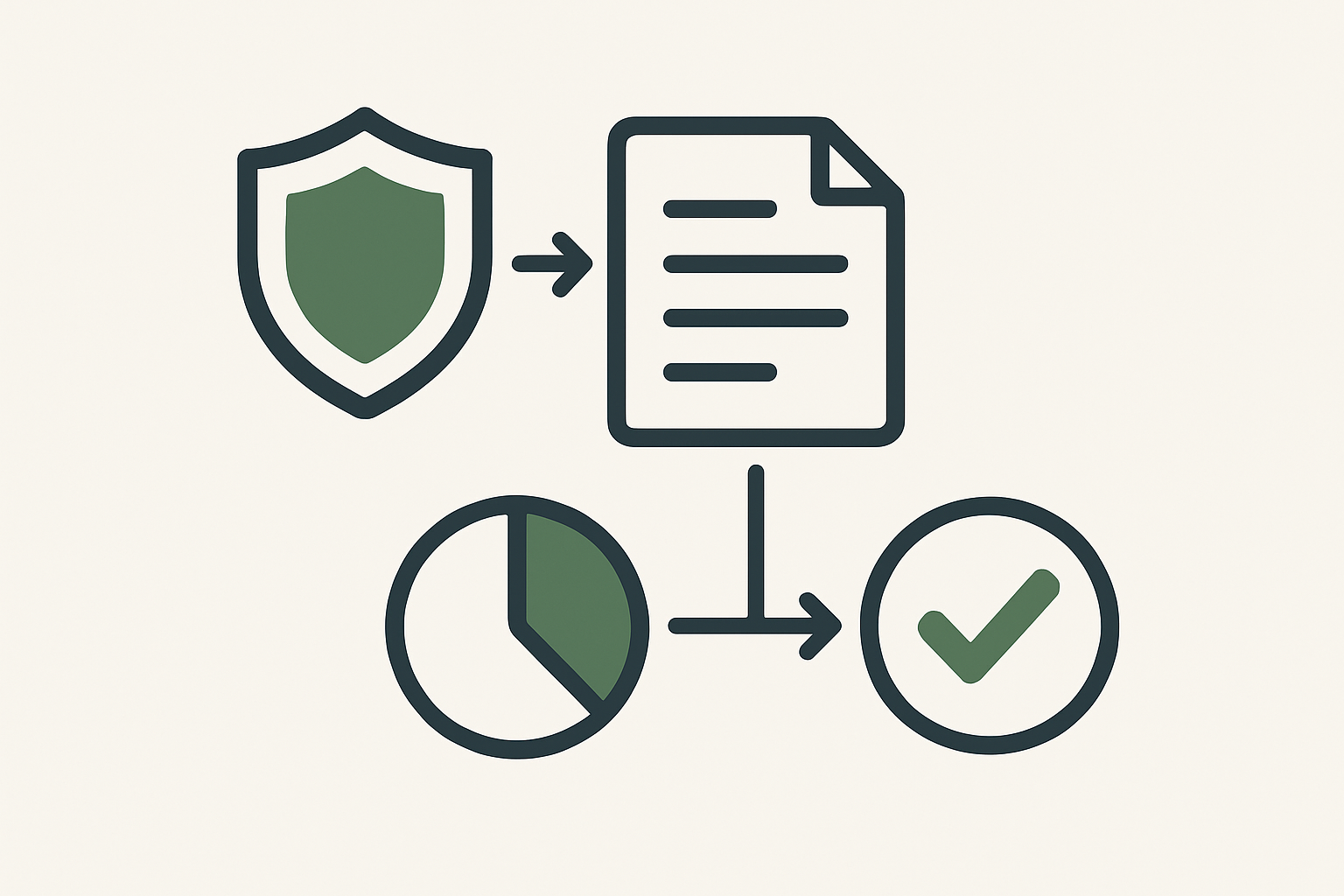
Rehabilitating with insurance coverage means you may pay far less for addiction treatment than you expect. Most major health plans are legally required to cover substance use disorder treatment at the same level as other medical conditions.
Understanding your benefits before entering treatment removes one of the biggest barriers people face when seeking help. This guide breaks down exactly how insurance works for rehab, what is typically covered, and how to get started with confidence.
Key Takeaways
- The Mental Health Parity and Addiction Equity Act requires most insurers to cover addiction treatment equally alongside other health conditions.
- According to SAMHSA, roughly 21.2 million Americans needed substance use treatment in 2020, yet cost remains a top reason people delay care.
- Most private insurance, Medicaid, and Medicare plans cover some level of detox, inpatient, and outpatient rehab services.
- Calling your insurer before admission helps you understand copays, deductibles, and in-network providers in advance.
- You do not need to be at rock bottom to qualify for insurance-covered rehab treatment.
How Insurance Coverage for Rehab Actually Works
Health insurance covers addiction treatment as a standard medical benefit, not a luxury add-on. This shift happened largely because of federal parity laws passed in 2008 and expanded through the Affordable Care Act in 2010.
Your specific plan determines which services are covered, at what cost, and for how long. Knowing your plan type, whether it is an HMO, PPO, or EPO, shapes which treatment facilities accept your insurance and how much you pay out of pocket.
What Most Plans Cover for Addiction Treatment
Most insurance plans cover a core set of addiction recovery services. Coverage typically includes medical detox, residential inpatient treatment, partial hospitalization programs, intensive outpatient programs, and standard outpatient counseling.
Medication-assisted treatment, such as buprenorphine or naltrexone, is also covered under most plans today. Mental health therapy, which often accompanies addiction treatment, is bundled into coverage under parity law requirements.
Understanding In-Network vs. Out-of-Network Rehab Costs
Choosing an in-network rehab facility significantly reduces your personal costs. Insurance companies negotiate lower rates with in-network providers, passing those savings directly to you through lower copays and deductibles.
Out-of-network facilities can still be covered under some PPO plans, but your share of the cost increases substantially. Always verify network status before committing to a specific program or facility.
Using Medicaid or Medicare for Addiction Treatment
Medicaid covers addiction treatment in all 50 states, though the depth of coverage varies by state. Expanded Medicaid under the Affordable Care Act added millions of lower-income Americans to rolls that include substance use disorder benefits.
medicare covers detox, inpatient psychiatric care, and outpatient counseling for qualifying individuals. Medicare Part D also covers FDA-approved medications used in addiction treatment, making recovery more financially accessible for older adults.
How to Check Your Medicaid Rehab Benefits
Contact your state Medicaid office or log into your state's Medicaid portal to review your specific substance use disorder benefits. You can also ask any treatment center's admissions team to verify your coverage on your behalf before you enroll.
Steps to Take Before Entering a Rehab Program
Taking a few proactive steps before admission saves money and prevents surprises. Start by calling the member services number on your insurance card and asking specifically about substance use disorder benefits.
Request a written summary of your benefits if possible. Ask about prior authorization requirements, because some plans require insurer approval before covering inpatient treatment. Skipping this step can result in unexpected bills after discharge.
Questions to Ask Your Insurance Provider
Ask your insurer the following before choosing a rehab program. Does my plan require a referral or prior authorization for inpatient treatment? What is my deductible, and how much have I already met this year? Are there limits on the number of covered treatment days? Does my plan cover medication-assisted treatment and mental health therapy?
What to Do If Your Insurance Denies Coverage
Insurance denials for addiction treatment are common, but they are not final. You have the legal right to appeal any denial, and many appeals succeed when supported by a doctor's letter or clinical documentation of medical necessity.
Ask your treatment center's billing team for help with the appeals process. Many facilities have case managers who handle insurance disputes regularly and know exactly what documentation insurers require to approve coverage.
Free and Low-Cost Alternatives If Coverage Falls Short
If your coverage has gaps, several options exist to bridge them. SAMHSA's National Helpline connects callers to free, state-funded treatment programs. Sliding-scale fee clinics and nonprofit recovery centers also provide evidence-based care at reduced cost based on income.
Frequently Asked Questions
Does insurance cover both inpatient and outpatient rehab?
Yes, most insurance plans cover both levels of care. Inpatient rehab is typically covered when medically necessary, such as during detox or severe addiction cases. Outpatient programs, including intensive outpatient and standard counseling, are covered for ongoing recovery support. Your specific copay and coverage limits depend on your individual plan and provider network.
Can I use insurance for rehab if I have never used it before?
Absolutely. You do not need a prior treatment history to access insurance-covered rehab. Your benefits apply as long as your plan is active and the treatment is deemed medically necessary. First-time patients regularly use insurance for detox, inpatient stays, and outpatient therapy without any prior claims history required.
Will using insurance for rehab affect my premiums or coverage later?
Using your health insurance for addiction treatment does not raise your premiums or flag your account negatively. Insurance companies are prohibited from penalizing members for filing legitimate medical claims. Seeking treatment is a protected health decision, and your insurer cannot cancel or alter your coverage simply because you used your substance use disorder benefits.
What if my employer finds out I used insurance for rehab?
Your treatment is protected by HIPAA privacy laws. Your employer does not receive details about your specific medical claims or diagnoses. If your employer provides your insurance, they cannot legally access your individual health records or use them against you in the workplace.
Bottom Line
Rehabilitating with insurance coverage is a realistic, legal right that removes cost as a barrier to getting help. Your plan likely covers more than you think, and the first step is simply making one phone call.
For more guidance on navigating recovery with confidence, happilydrugfree.com offers practical, uplifting resources to help you build a life you genuinely love beyond addiction.
References
- Substance Abuse and Mental Health Services Administration. (2021). Key substance use and mental health indicators in the United States: Results from the 2020 National Survey on Drug Use and Health. https://www.samhsa.gov/data/reports
- U.S. Department of Labor. (2023). Mental Health Parity and Addiction Equity Act. https://www.dol.gov/general/topic/health-plans/mhpaea
- Centers for Medicare and Medicaid Services. (2022). Substance use disorder benefits. https://www.cms.gov/medicare-medicaid-coordination
- National Institute on Drug Abuse. (2020). Principles of drug addiction treatment: A research-based guide (3rd ed.). National Institutes of Health.