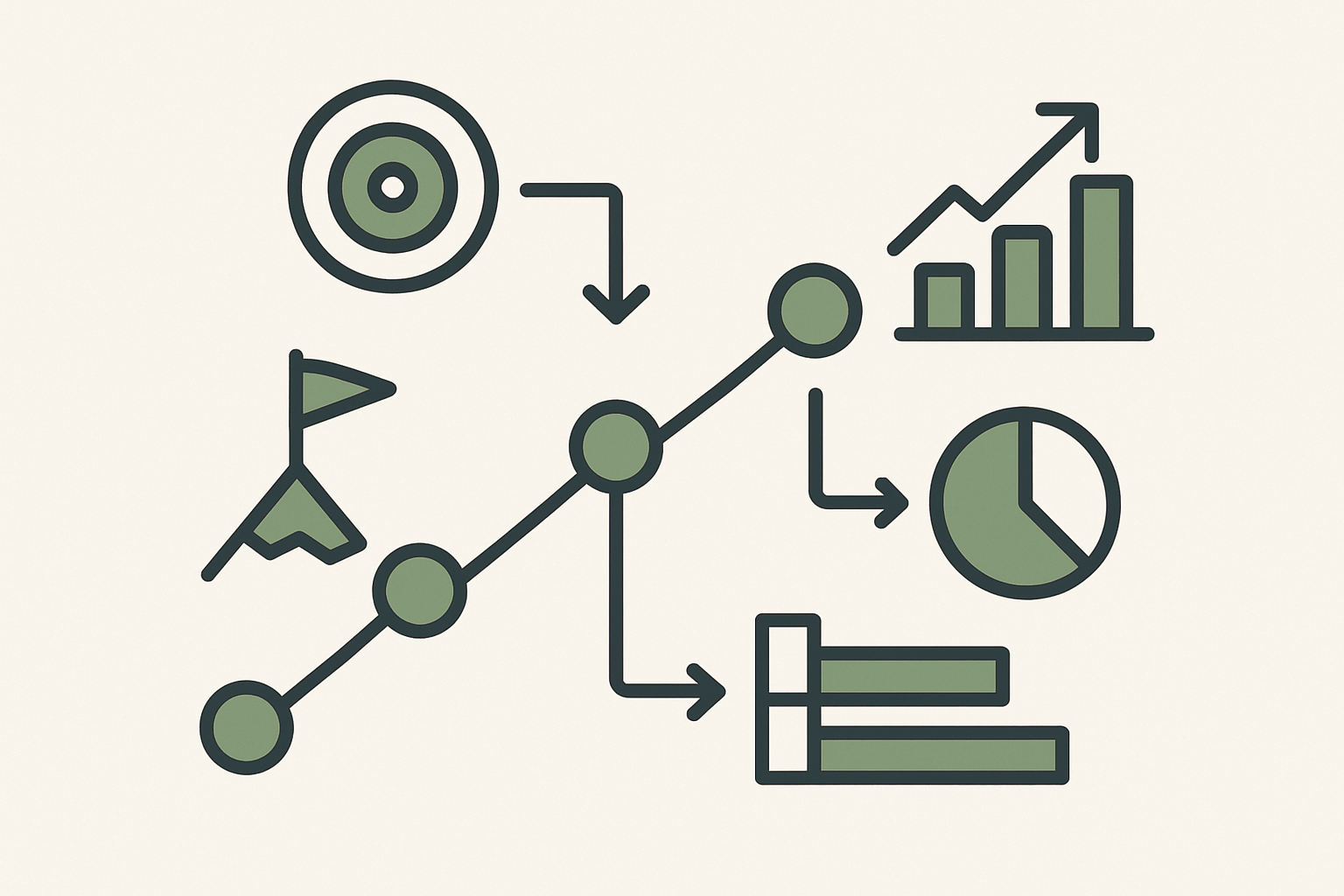
Intensive outpatient treatment, often called IOP, is a structured addiction recovery program that lets you live at home while attending regular therapy sessions. It bridges the gap between inpatient rehab and standard weekly counseling, offering serious support without full-time hospitalization.
Many people find IOP the ideal middle ground. You keep your job, your family routines, and your home environment while building the skills needed for lasting sobriety. It is a real path to a fulfilling, drug-free life.
Key Takeaways
- Intensive outpatient treatment typically requires 9 to 20 hours of structured programming per week, according to the Substance Abuse and Mental Health Services Administration (SAMHSA).
- Studies show IOP produces outcomes comparable to inpatient treatment for many individuals with moderate addiction severity.
- IOP combines group therapy, individual counseling, and life skills training in one program.
- Participants live at home, which allows them to practice recovery skills in real-world settings immediately.
- IOP is often covered by insurance, making it a more accessible option than residential treatment.
What Is Intensive Outpatient Treatment?
Intensive outpatient treatment is a clinically structured program designed for people recovering from substance use disorders. Sessions typically run three to five days per week, for three to four hours each day. Programming includes group therapy, individual sessions, and education on addiction and coping strategies.
IOP is not a watered-down version of rehab. It is a legitimate, evidence-based level of care recommended by SAMHSA and widely used across the United States for alcohol, opioid, and stimulant recovery.
Who Is a Good Candidate for IOP?
IOP works best for people who have completed detox or inpatient rehab and need continued structured support. It also suits those whose addiction is moderate in severity and who have a stable, sober-friendly home environment to return to each day.
People with strong social support networks, motivation to recover, and no severe co-occurring mental health crises often thrive in IOP settings. A clinical assessment from a licensed professional helps determine if this level of care is the right fit.
What Happens Inside an IOP Program?
A typical IOP schedule blends several therapeutic approaches throughout the week. Group therapy forms the core of most programs, giving participants a space to share experiences, build accountability, and reduce isolation. Individual counseling addresses personal triggers, trauma, and goal setting.
Many programs also include family therapy sessions, relapse prevention planning, and mental health support. Some offer medication-assisted treatment, or MAT, alongside behavioral therapies for opioid or alcohol use disorders.
Common Therapies Used in IOP
- Cognitive behavioral therapy (CBT): Helps identify and change harmful thought patterns linked to substance use.
- Dialectical behavior therapy (DBT): Builds emotional regulation and distress tolerance skills.
- Motivational interviewing: Strengthens personal commitment to recovery goals.
- 12-step facilitation: Connects participants to peer support communities like AA or NA.
- Mindfulness-based practices: Reduces stress and builds present-moment awareness.
How IOP Supports Real Life Recovery
One of the greatest strengths of IOP is that you practice recovery skills in real time. You attend a session in the morning, then navigate a stressful workday or a family dinner that evening. That gap between session and real life becomes a training ground for lasting change.
Unlike inpatient rehab, IOP keeps you connected to your actual environment. You face real triggers, use real coping tools, and build genuine confidence in your ability to stay sober outside a clinical setting. That confidence is foundational to a joyful, sustainable recovery.
Balancing IOP with Work and Family
Many IOP programs offer morning, afternoon, and evening schedules to accommodate working adults and parents. This flexibility is intentional. Recovery should not require you to abandon your responsibilities entirely.
Communicating with your employer or family about your schedule may feel uncomfortable at first. However, most people find that honesty about getting help earns respect rather than judgment. Protecting your recovery time is a form of self-respect.
IOP vs. Other Levels of Care
Understanding where IOP fits in the broader treatment spectrum helps you make informed decisions. The American Society of Addiction Medicine, known as ASAM, uses a continuum of care model to guide treatment placement based on individual needs.
| Level of Care | Hours per Week | Living Situation |
|---|---|---|
| Inpatient / Residential | 24/7 supervised | On-site facility |
| Partial Hospitalization (PHP) | 20 to 35 hours | Home or sober living |
| Intensive Outpatient (IOP) | 9 to 20 hours | Home |
| Standard Outpatient | 1 to 8 hours | Home |
IOP often follows PHP or residential treatment as a step-down option. It can also serve as a direct entry point for those who do not need 24-hour supervision but still require more than weekly therapy.
Frequently Asked Questions
How long does intensive outpatient treatment last?
Most IOP programs run between 8 and 16 weeks, though the length varies based on individual progress and clinical recommendations. Some people transition to standard outpatient care after completing IOP, while others move into alumni or aftercare programs for continued community support.
Is intensive outpatient treatment covered by insurance?
Most major insurance plans, including Medicaid and Medicare, cover IOP under mental health and substance use disorder benefits. The Mental Health Parity and Addiction Equity Act requires insurers to treat addiction treatment similarly to other medical conditions. Always verify your specific benefits before enrolling in a program.
Can I work or go to school during IOP?
Yes. IOP is specifically designed to accommodate people with jobs, school schedules, or caregiving responsibilities. Many programs offer flexible morning or evening session times. This balance is part of what makes IOP effective, because you continue building your real life while receiving structured clinical support.
What is the difference between IOP and a partial hospitalization program?
Partial hospitalization programs, or PHPs, require significantly more hours per week, usually 20 to 35, and often include medical monitoring. IOP involves fewer weekly hours and less clinical oversight. PHP typically comes before IOP in the treatment continuum and suits those with more complex medical or psychiatric needs.
Bottom Line
Intensive outpatient treatment offers serious, structured recovery support while keeping you rooted in everyday life, making it one of the most practical and effective options available for building lasting sobriety.
If you are exploring recovery options or looking for encouragement along the way, happilydrugfree.com offers honest, uplifting resources to help you build a drug-free life you genuinely love.
References
- Substance Abuse and Mental Health Services Administration. (2021). Intensive outpatient treatment for alcohol and other drug abuse. https://www.samhsa.gov
- American Society of Addiction Medicine. (2023). The ASAM criteria: Treatment criteria for addictive, substance-related, and co-occurring conditions. ASAM.
- McCarty, D., Braude, L., Lyman, D. R., Dougherty, R. H., Daniels, A. S., Ghose, S. S., & Delphin-Rittmon, M. (2014). Substance abuse intensive outpatient programs: Assessing the evidence. Psychiatric Services, 65(6), 718-726.
- National Institute on Drug Abuse. (2020). Principles of drug addiction treatment: A research-based guide (3rd ed.). https://nida.nih.gov